
The better place to move today is the one you can start using with the least delay. Choose the route with fewer practical barriers, then begin with a few minutes of comfortable movement.
A sunny trail may sound appealing, but reaching it could require driving, changing clothes, or waiting for better weather. The hallway outside your apartment may feel less inspiring, yet it is available now. When the goal is to build a regular movement habit, that difference matters.
Start with the option that is available now
It is easy to spend more time choosing a setting than moving in it. You check the temperature, look for a nearby route, wonder whether the gym will be crowded, and decide you need different shoes. A simple plan becomes a project.
Lower the starting threshold. If going outside feels easy today, step outside. If rain, heat, darkness, allergies, safety concerns, caregiving duties, or limited time make that difficult, use the space you already have.
Indoor movement can mean walking through a shopping centre, taking laps around an office floor, climbing stairs at a comfortable pace, or walking in place while dinner cooks. Outdoor movement might be a trip around the block, a walk to the post box, or five minutes in a nearby park.
None of these needs to look like a formal workout. The useful habit is beginning.
Match the setting to today’s main barrier
The same person may need different options on different days. Treat indoor and outdoor movement as tools rather than competing identities.
If weather is the barrier, an indoor route removes it. If staying indoors all day has left you restless, stepping outside may make movement more appealing. If you only have ten minutes between meetings, walking at home may be the realistic choice. If a friend is available, an outdoor walk might add enough enjoyment and accountability to get you moving.
Comfort and safety matter too. Uneven ground, poor lighting, traffic, extreme temperatures, or slippery surfaces can make an outdoor route unsuitable. Indoor spaces can present their own issues, including stairs, clutter, hard floors, or crowded corridors. Pick a setting that fits your mobility, surroundings, and current conditions.
A useful test is simple: which option can you begin within the next five minutes?
That question shifts attention from the ideal plan to the next workable action. It also leaves room to change course. Starting indoors does not commit you to staying indoors, and stepping outside does not require a long walk.
Make the first few minutes easy to repeat
Large plans create more places for a habit to break. A smaller starting point gives you fewer decisions to make.
Choose a basic cue, such as finishing breakfast, ending a work call, or putting your mug in the sink. Pair it with a short movement period you can manage on an ordinary day. You might walk for five minutes, take one lap of your building, or move around during one song.
Keep the pace comfortable enough that starting again tomorrow feels reasonable. You can continue if you feel good, but the small version still counts as completing the habit.
It can also help to prepare one indoor option and one outdoor option in advance. For example:
- Walk to the end of the street and back when conditions suit you.
- Walk through each room twice when they do not.
- Use a familiar public indoor space if home feels too confined.
- Stop or adjust if movement causes pain, dizziness, unusual shortness of breath, or other concerning symptoms.
This approach reduces the chance that one obstacle cancels the entire plan. Rain changes the route, not the intention.
Decide once, then begin
Try setting a brief decision rule before your next movement break. “If I can go outside comfortably, I will walk around the block. Otherwise, I will walk indoors for five minutes.”
The rule removes the daily debate. It gives you a default while preserving flexibility for weather, energy, access, and safety.
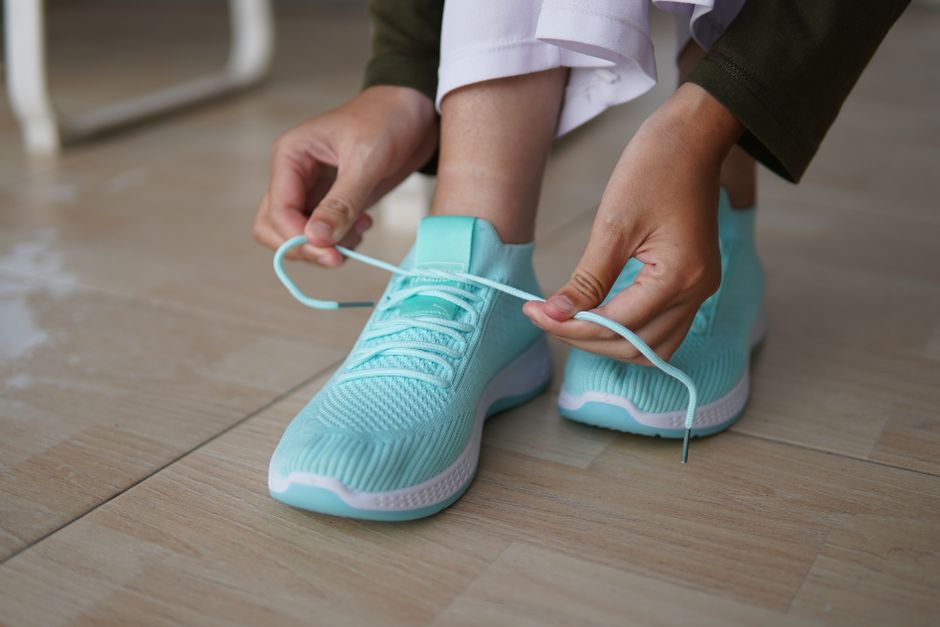
Then make the opening move deliberately small: stand up, put on comfortable shoes if needed, and start a five-minute timer. Five minutes may lead to more, but it does not have to. The immediate goal is to turn a plan into motion before another delay appears.
Regular movement habits are built in real homes, offices, corridors, pavements, and parks. Choose the place that is ready for you today.
This is general wellness information, not medical advice. If you have symptoms, an injury, a medical condition, or questions about what movement is appropriate for you, talk with your doctor or another qualified healthcare professional.
Comments
No comments yet.