
What changed
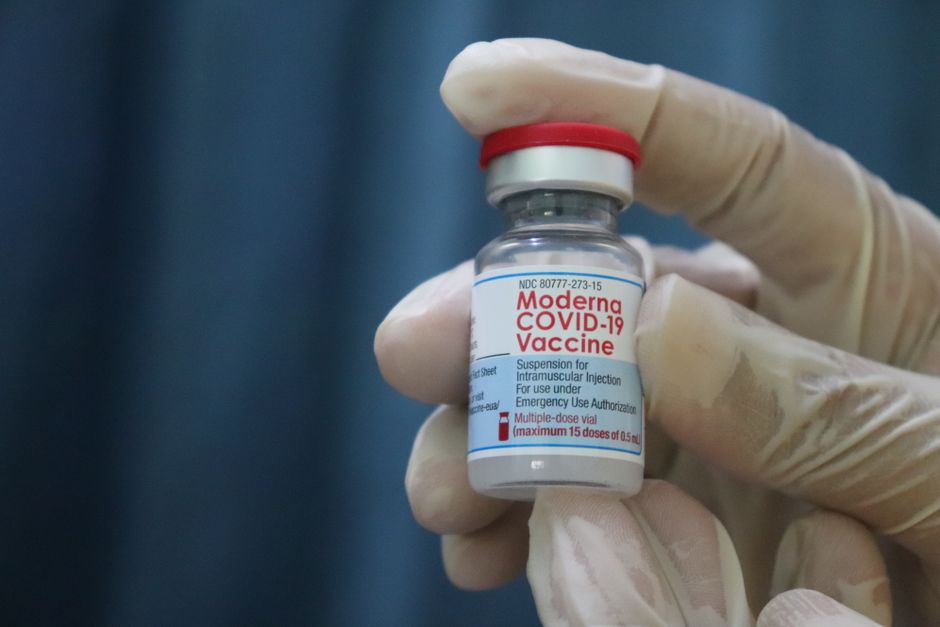
The National Institutes of Health announced that an investigational SARS-CoV-2 vaccine developed in partnership with Moderna shows promise in mouse studies. This marks the first news release from the NIH regarding this specific collaboration. The announcement does not yet provide efficacy metrics, human trial phases, or a regulatory timeline.
Why it matters
Mouse studies represent a critical early checkpoint in vaccine development, but they are far removed from human application. For Moderna, this partnership reinforces the company’s position in public health research, a domain where its profile is heavily shaped by its earlier, commercially successful mRNA technologies. The news is strictly preliminary; it confirms scientific interest rather than clinical readiness. Because the report lacks data on human safety or efficacy, any immediate impact on the company’s market position remains speculative. The broader consequence is that one more pathway for SARS-CoV-2 prevention is now in the preclinical phase, potentially adding to the existing portfolio of vaccines in development or distribution.
What to watch next
The next logical step is a formal submission to the FDA for Emergency Use Authorization or full approval. Analysts expect this decision point to land in the fourth quarter of 2026. A press release confirming a new application would signal a major acceleration from the mouse data stage.
Comments
No comments yet.