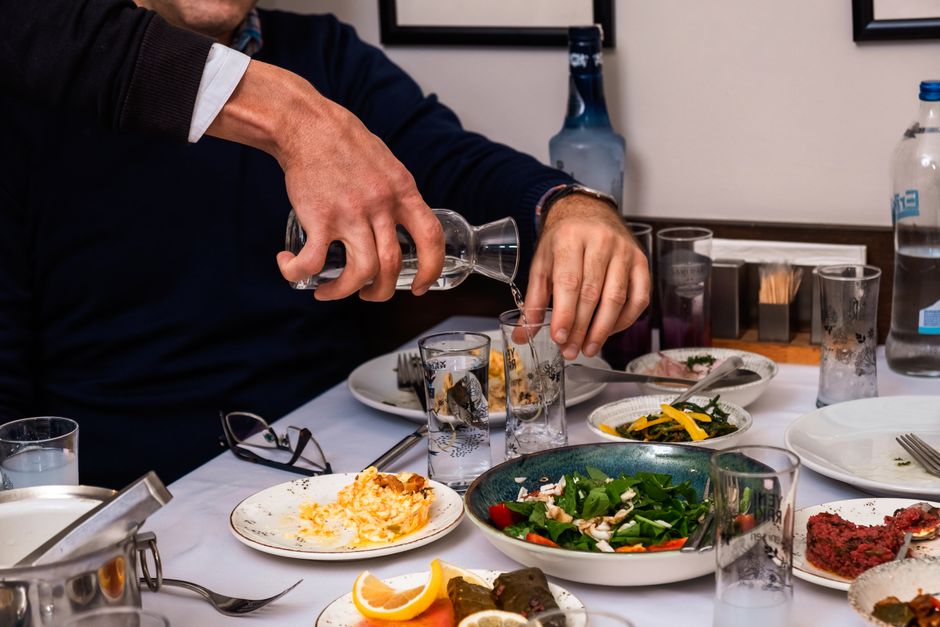
Carrying a water bottle can make drinking easier, but the bottle alone does not create a reliable habit. Linking water to meals gives you recurring cues that already exist in your day, so drinking requires less remembering.
Why good intentions lose to clear cues
A reusable bottle often begins as a promise to yourself. You fill it in the morning, place it beside your laptop, and expect the sight of it to prompt regular sips. By late afternoon, it may still be nearly full.
The problem is rarely a lack of concern. Hydration simply has to compete with emails, errands, conversations, and everything else asking for attention. A bottle can sit within reach and gradually become part of the background, like a notebook you stopped noticing three hours ago.
Habits become easier to repeat when they have a clear starting signal. Meals provide that signal because breakfast, lunch, and dinner usually happen at recognizable moments. Even when the time or location changes, the event itself remains easy to identify: you are about to eat.
This gives the habit a simple shape: when a meal begins, have some water.
That instruction asks less of your memory than “drink more water today.” It also avoids turning hydration into an all-day project that you must constantly monitor.
Use meals as anchors, not targets
A practical approach is to place a glass of water with each meal. If you eat away from home, order or pour water when you get your food. If breakfast is usually coffee and toast, put water beside the coffee rather than expecting yourself to remember it later.
The aim is consistency, not forcing a fixed amount at every sitting. Fluid needs vary with body size, activity, weather, pregnancy, medications, health conditions, and the foods you eat. Soups, fruit, vegetables, milk, tea, and other drinks can also contribute fluid.
That variation is one reason rigid online challenges can be unhelpful. A rule such as finishing an oversized bottle by noon may be unnecessary for one person and unsuitable for another. Meal cues offer structure without pretending that everybody needs the same volume on the same schedule.
You can make the cue more visible with a small environmental change:
- Set a glass beside your plate before you serve the food.
- Keep water where you prepare breakfast or pack lunch.
- Choose water when ordering a meal, then decide whether you want another drink too.
- Refill your bottle after eating so it is ready for the next part of the day.
These actions are deliberately ordinary. A useful habit should survive a busy Wednesday, not depend on perfect motivation.
Let the bottle support the routine
You do not need to abandon your bottle. Give it a specific job.
It can cover the less predictable stretches between meals: a commute, a walk, an afternoon meeting, or time outdoors. The meal routine establishes several dependable opportunities to drink, while the bottle makes additional drinking convenient when thirst or circumstances prompt it.
Placement matters. A bottle zipped inside a bag offers little help. Put it where the next relevant action happens, such as beside your keys before a walk or on the table before a meeting. Then refill it at a defined point, perhaps after lunch, instead of carrying yesterday’s vague intention into another afternoon.
You may also notice that one meal makes a better anchor than another. Breakfast could be rushed, while lunch happens at the same desk every weekday. Start with the most stable meal. Once water appears there without much thought, add a second cue.
This gradual approach uses a small commitment to build consistency. It also makes missed moments less dramatic. Forgetting at breakfast does not ruin the day because lunch provides another clear opportunity.
Try one meal for the next seven days
Choose one meal you eat most consistently and pair it with water for a week. Keep the amount comfortable. Your only measure is whether water was present when you ate.
Avoid adding reminders, tracking several daily totals, or buying another bottle during this first test. Those tools can be useful, but they add moving parts before you know whether the basic cue works.
At the end of seven days, ask one practical question: did the meal help you remember? If it did, keep that anchor and add another. If it did not, adjust the environment by placing the glass earlier, keeping water closer to where you eat, or choosing a more dependable meal.
Pay attention to thirst and to factors such as heat or physical activity, which may increase your need to drink. If a clinician has advised you to limit or monitor fluids, or if you have questions related to a health condition or medication, follow that guidance and talk with your doctor.
This is general wellness information, not medical advice. Tomorrow, when you set down your plate, set down a glass beside it.
Comments
No comments yet.