
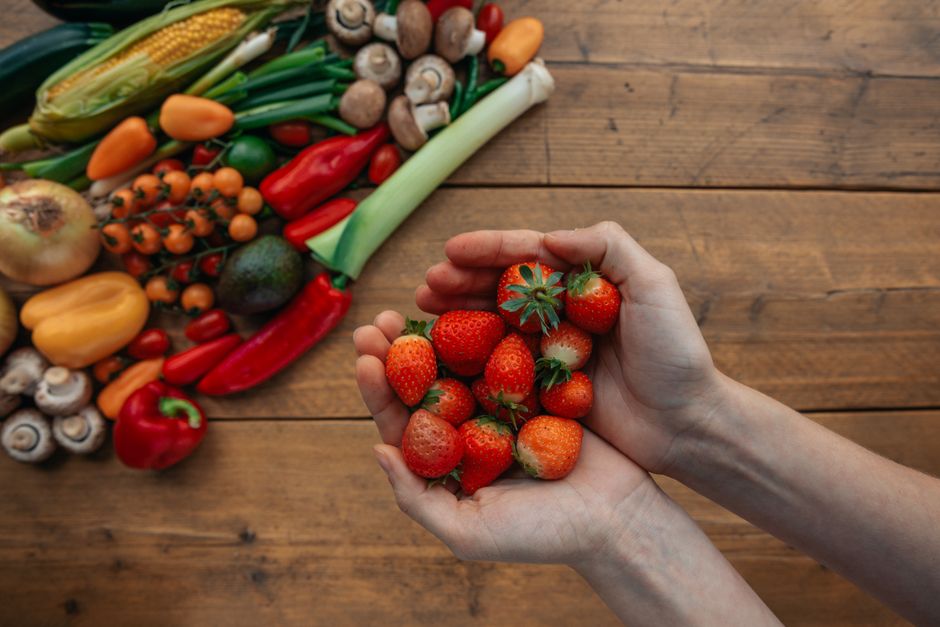
Choosing a wider range of foods over time can help you get a broader mix of nutrients because different foods bring different combinations to the table. The benefit comes from the pattern you build across weeks and months, not from finding one perfect ingredient.
Different foods contribute different strengths
A familiar grocery basket makes life easier. The same cereal, sandwich fillings, vegetables, and dinners require less thought, especially during a busy week. Repetition can also be useful when it keeps meals manageable and affordable.
Still, even nutritious foods have different nutritional profiles. Oranges are known for vitamin C. Lentils provide fiber, folate, and plant protein. Eggs supply protein and several vitamins and minerals. Nuts and seeds contribute fats, fiber, and micronutrients, with the exact mix varying by type.
No single food covers everything your body needs. Regularly rotating foods within and across food groups gives your overall eating pattern more opportunities to include different vitamins, minerals, types of fiber, fats, and plant compounds.
That does not require a complicated meal plan. Variety can be as small as choosing pears after a week of apples, adding chickpeas to a meal that usually uses black beans, or picking a different frozen vegetable blend. Those modest changes count when they happen regularly.
Variety works through accumulation
Food decisions often get framed around immediate results: eat this today, feel different tomorrow. Most everyday nutrition habits are quieter than that.
Think of variety as building a playlist rather than searching for the one song worth repeating. Each food contributes something, and the value comes from the collection. A week that includes oats, rice, potatoes, whole-grain bread, beans, yogurt, eggs, fish, several vegetables, and a few fruits offers a broader nutritional mix than a week built from only two or three meals.
This is also why variety belongs in the long-game category. One different lunch will not transform your health, and one repetitive week does not ruin it. The useful question is whether your usual pattern leaves room for different foods over time.
A practical way to notice that pattern is to look at your shopping basket or recent meals. If the same two vegetables appear every week, keep them and add a third. If peanuts are your only regular nut or seed, try walnuts, pumpkin seeds, or sunflower seeds when price and allergies allow. There is no need to replace foods you enjoy simply for the sake of novelty.
Build variety without making meals harder
The easiest approach starts with what you already eat. Change one part instead of redesigning the whole plate.
If breakfast is usually oatmeal, rotate the topping. Try banana one day, berries another, then chopped nuts or seeds. If lunch is often a sandwich, vary the side with fruit, sliced vegetables, yogurt, or a simple bean salad. For dinner, keep the recipe and swap one ingredient, such as broccoli for green beans or lentils for another legume.
Frozen, canned, and dried foods can make this more practical. Frozen vegetables allow you to use a handful at a time without worrying that the rest will spoil. Canned beans can add variety in minutes; rinsing them may reduce some of the sodium. Dried herbs and spices change flavor without requiring an entirely new meal.
You can also use a gentle weekly prompt: choose one fruit, vegetable, grain, or protein food that was missing from last week. One addition is enough. A rigid target or an expensive cart full of unfamiliar ingredients can make the habit harder to maintain.
Cost, access, allergies, cultural preferences, sensory needs, and digestive comfort all shape what realistic variety looks like. A broad diet does not need to be exotic. Different types of beans, seasonal produce, store-brand frozen vegetables, and familiar grains can all widen the mix.
Keep the habit flexible and personal
Food variety is a direction, not a scorecard. You do not need to count colors at every meal, track every nutrient, or force yourself to eat foods you dislike. A small rotation that fits your routine is more useful than an ambitious plan abandoned after four days.
Be cautious with claims that present one berry, powder, oil, or supplement as the missing answer. Foods work as part of an overall eating pattern, and health outcomes depend on many factors beyond any single choice.
At your next meal, notice the food you choose automatically. Keep the meal familiar, then add or swap one item. Next week, make a different swap. Over time, those small decisions can create a more varied pattern without turning eating into another project.
This is general wellness information, not medical advice. If you have allergies, a medical condition, digestive symptoms, nutrient concerns, or a prescribed diet, talk with your doctor or a registered dietitian before making significant changes.
Comments
No comments yet.