
What changed
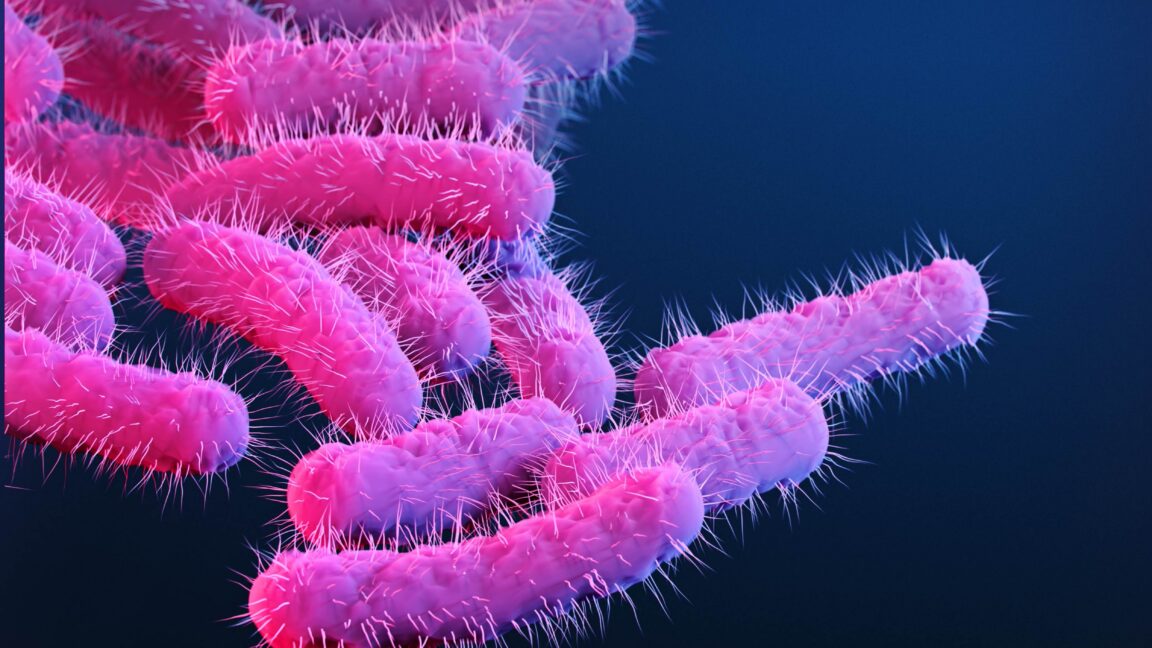
This account is based on reporting by Ars Technica. A Shigella flexneri outbreak that began in December 2022 at Wisconsin National Primate Research Center produced 169 confirmed primate cases; researchers used samples from 41 infected animals to identify bacterial targets and antibody-binding sites that could guide Shigella vaccine candidates. Of 90 isolates tested, 63 percent were multidrug resistant.
Why This Matters
Our view: this is promising science, not a vaccine announcement. The useful shift is precision: researchers now have clearer molecular targets to test instead of simply hoping a broad immune response will cover Shigella’s many species and serotypes.
For everyday health, the practical habit remains wonderfully unglamorous: wash hands carefully after using the bathroom and before preparing food. Shigella is a gastrointestinal infection, and vaccine research is a long road; basic hygiene is still the immediate, general-wellness move. This is general information, not medical advice. If you have concerns about symptoms or exposure, talk to a doctor.
Impact assessment
- Vaccine developers gain target and antibody-response data from naturally infected primates, which may help them choose what to test in candidate design.
- Wisconsin National Primate Research Center was directly exposed to a prolonged outbreak, including illness among some workers.
- Children carry the heaviest global burden described in the report, but any benefit from a future vaccine depends on whether these targets lead to broad protection.
Scenarios
Most likely: If later research finds these targets useful, the findings become supporting evidence for ongoing vaccine development, without proving that a broadly protective vaccine will result.
Upside: If the identified targets generate protection across relevant Shigella species and serotypes, they could support a candidate that improves on the narrow protection seen after natural infection.
Downside: If the immune features cannot be reproduced or do not provide broad protection, the outbreak data remains scientifically valuable but does not solve the central vaccine challenge.
What to watch next
Watch for follow-up studies that test vaccine candidates using the target molecules or antibody-binding sites identified here. The bigger signal will be evidence that protection reaches beyond a narrow range of Shigella species or serotypes.
Comments
No comments yet.