
What changed
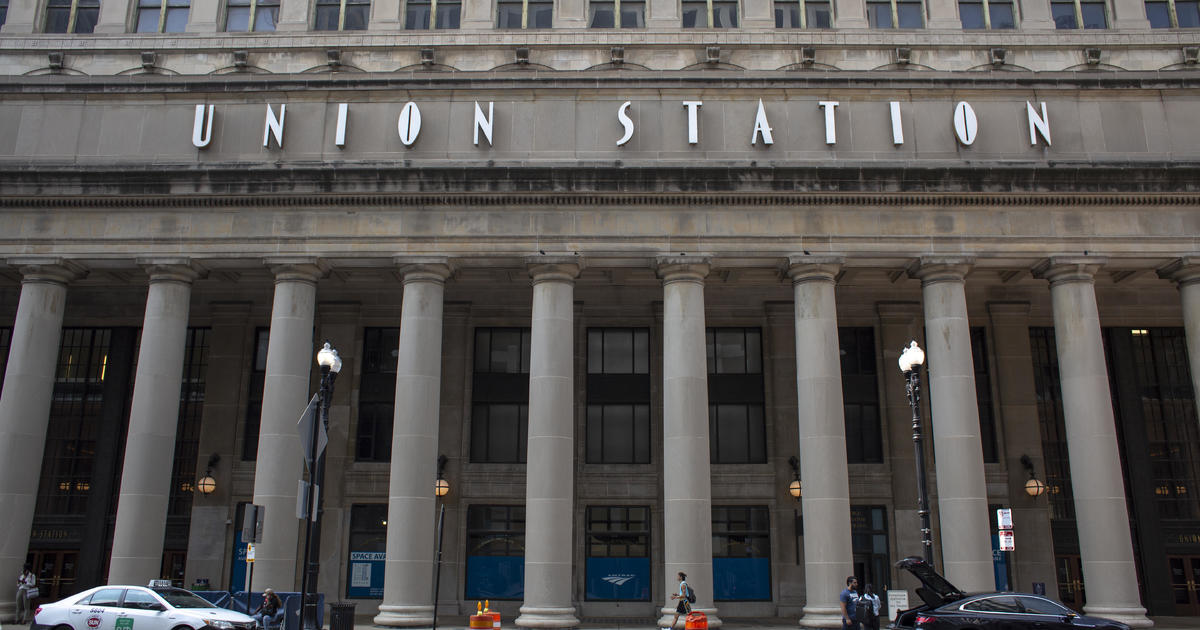
The Chicago Department of Public Health warned of a potential measles exposure at Union Station after a person with a confirmed case traveled through 255 South Canal Street between Aug. 27 after 8 p.m. and Aug. 28. The exact exposure time is unknown, and the report does not establish that transmission occurred or say how many people may have been exposed.
Symptoms (including rash, high fever, cough, runny nose, and red, watery eyes) may appear seven to 21 days after exposure. Anyone who develops symptoms should contact health officials by phone before seeking in-person treatment. Chicago residents can receive the MMR vaccine at no cost at CDPH immunization clinics.
Why it matters
Potentially exposed commuters may need to monitor themselves and change how they seek care during the symptom window. Phone-first guidance could help route symptomatic people appropriately and reduce avoidable exposure in waiting rooms.
If people who lack documented protection seek vaccination or advice, CDPH clinics could see increased calls, appointments, and vaccine demand over the next several days. That effect may be limited if commuters cannot identify themselves within the broad exposure period or already have measles immunity.
How the effects could spread
The warning first affects commuters who were at Union Station during the relevant period. Their monitoring and care-seeking decisions could shift demand toward public-health phone lines and CDPH immunization clinics.
If clinics remain accessible and people seek preventive guidance, short-term demand may increase through the seven-to-21-day window. If additional linked cases emerge, healthcare providers could also face more precautionary triage and public-health coordination.
Impact assessment
For commuters, the advisory provides a defined monitoring period and a phone-based route to care, but uncertainty about the exposure time makes self-identification difficult.
For CDPH clinics and healthcare providers, the likely trade-off is improved triage alongside additional operational demand. The chain depends on commuters recognizing possible exposure, clinics remaining available, and symptomatic people calling before arriving in person.
Scenarios
Our outlook (informed speculation): Most likely is a temporary increase in exposure-related calls and a limited rise in MMR inquiries as potentially exposed commuters monitor symptoms. This is more likely over the next seven to 21 days if the warning reaches people who were at Union Station and clinics remain accessible, unless no one identifies a need for guidance or vaccination.
Upside depends on residents seeking vaccination or advice before symptoms develop and following the phone-first instruction if symptoms appear. In that case, clinics could absorb a manageable burst of demand while providers avoid some unnecessary in-person exposure. This path would be strengthened by increased preventive inquiries without additional linked cases.
Downside occurs if people delay action or seek in-person care without calling first, especially if CDPH identifies linked cases or additional exposure locations. Clinics and healthcare providers could then need expanded precautionary triage during the symptom window. The scenario would weaken if no linked cases emerge and clinic demand remains routine.
What to watch next
- Whether CDPH reports linked cases or additional exposure locations within seven to 21 days.
- Whether clinics see increased calls, appointments, or requests for no-cost MMR vaccination.
- Whether symptomatic people follow the instruction to contact health officials before seeking in-person treatment.
Comments
No comments yet.