
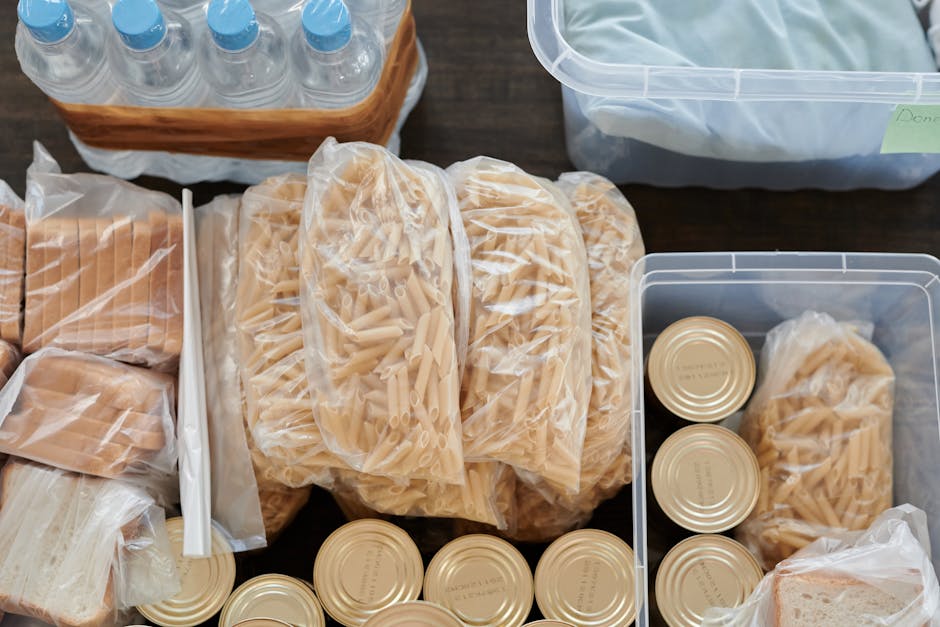
A food packet tells you how the food is stored and sold, not whether it deserves a place in your diet. Ingredients, nutrient content, portion, frequency, and the rest of your eating pattern offer far more useful information than packaging alone.
Calling packaged food “bad” can turn an ordinary grocery choice into a moral test. It also groups together foods with very different qualities: canned beans, frozen vegetables, plain oats, sweetened drinks, and confectionery all arrive in packages, but the package does not make them nutritionally equivalent.
Packaging and processing answer different questions
Packaging protects food, extends its shelf life, and makes it easier to transport or portion. Processing describes what happened to the food before it reached you. Neither term, by itself, gives a complete verdict.
Some processing is simple and practical. Vegetables may be frozen soon after harvest. Beans may be cooked and canned. Milk may be pasteurized. Oats may be rolled so they cook faster. These steps change a food, but they do not automatically remove everything useful from it.
Processing also exists on a spectrum. Washing, chopping, freezing, fermenting, cooking, fortifying, and combining ingredients all count as forms of processing. Their effects differ, which is why a single label can hide more than it reveals.
Minimally processed foods such as fruit, vegetables, eggs, nuts, grains, and legumes can add variety and useful nutrients. Packaged versions of those foods can do the same, especially when fresh options are unavailable, expensive, likely to spoil, or inconvenient to prepare.
A better way to read the packet
Turn the packet around before judging it. The nutrition label and ingredients list provide clues that the front of the package cannot.
Start with the serving information so the numbers have context. Then look at the nutrients that matter for your usual eating pattern. Depending on the food and your needs, that might include fiber, protein, sodium, added sugars, or saturated fat.
The ingredients list can help you understand what the product contains, but length alone does not determine quality. A long list may include spices, vitamins, minerals, or ingredients needed for texture and preservation. A short list can still describe a food high in added sugar or sodium.
Comparison is often more useful than classification. If you are choosing between two canned soups, compare sodium, fiber, protein, serving size, price, and which one you will actually eat. If you are buying yogurt, check whether the sweetness fits your preferences and the rest of your day. The goal is a workable choice, not a flawless one.
Context matters too. A packaged snack eaten during a six-hour shift serves a different purpose from a snack chosen while relaxing at home. Convenience can help you eat regularly, avoid wasted food, and keep useful staples available. Those benefits belong in the decision.
Food variety can begin in the cupboard
Fresh food gets much of the visual attention in wellness content, yet a varied diet can also include frozen, canned, dried, and jarred foods.
A bag of frozen peas can add color and fiber to pasta. Canned chickpeas can turn salad or rice into a more substantial meal. Tinned fish can offer protein and useful fats. Plain oats, whole-grain crackers, nut butter, dried lentils, and unsweetened frozen fruit can all make everyday meals easier to assemble.
These foods may also reduce the pressure to use every ingredient before it spoils. A freezer bag can wait for Thursday. A can of tomatoes can rescue dinner when the vegetable drawer is empty.
Variety matters over time because different foods bring different nutrients, textures, and flavors. If you want to build that habit without redesigning every meal, add one dependable option to your next shop. Why Food Variety Is a Long-Game Habit explores that approach in more detail.
Replace the verdict with one useful question
Words such as “good,” “bad,” “clean,” and “junk” can make eating feel like a test of character. Food choices are shaped by budget, access, culture, time, appetite, allergies, cooking facilities, and health needs. A moral label ignores all of that.
Try asking, “What does this food help me do?”
Perhaps it adds a vegetable to lunch, supplies a quick source of protein, keeps for weeks, fits your budget, or makes breakfast possible on a rushed morning. It may also be something you enjoy. Pleasure and practicality can coexist with nutrition.
One food does not need to meet every need. Pairing foods often works better than searching for a perfect product. Add fruit to cereal, vegetables to instant noodles, or beans to a ready-made soup. Small additions can create a more satisfying meal without turning dinner into a project.
At your next grocery shop, choose one packaged staple that adds variety and fits your real week. Read the label, compare a couple of options, and put the moral verdict back on the shelf.
This is general wellness information, not medical advice. If you have a medical condition, food allergy, or specific dietary concern, talk with your doctor or a qualified dietitian.
Comments
No comments yet.