
What changed
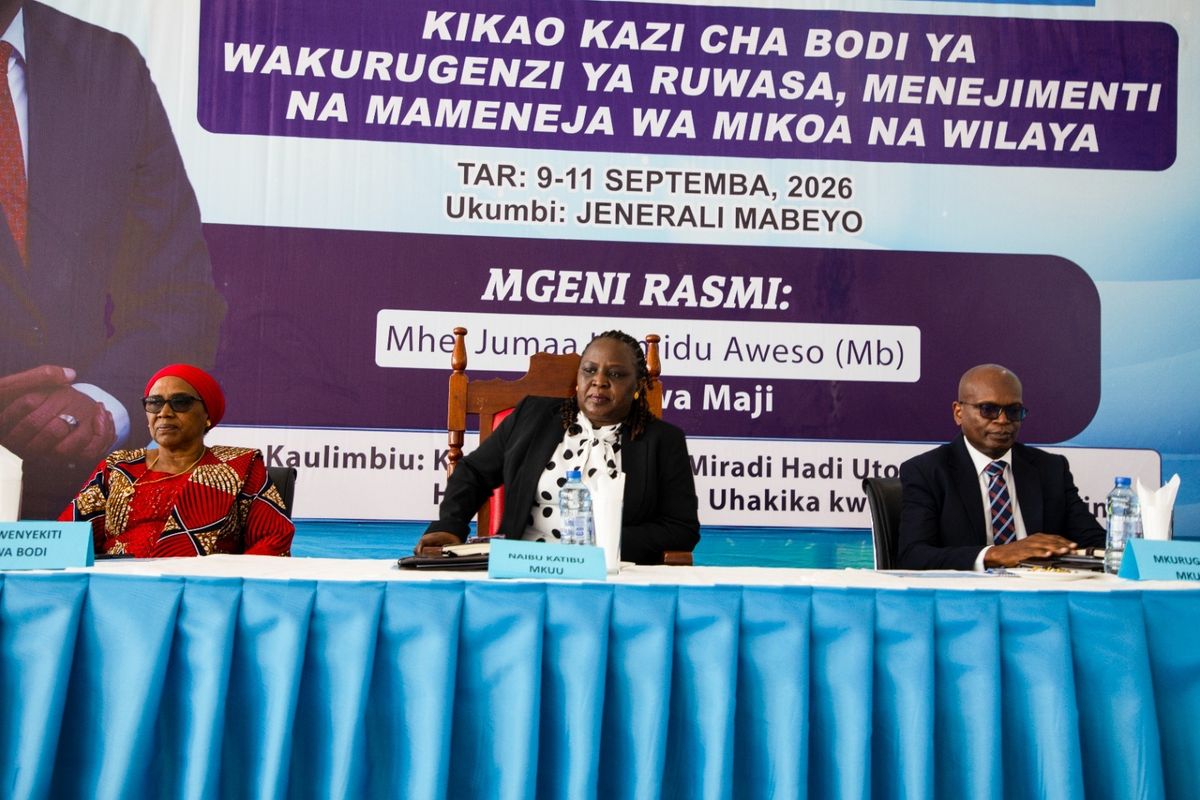
Based on reporting by The Citizen Tanzania, Tanzania’s Rural Water Supply and Sanitation Agency, Ruwasa, is seeking alternative financing to extend clean, safe water services to 1,575 villages. The government puts remaining water-infrastructure needs at about Sh5 trillion, with a Sh3 trillion gap; rural coverage reached 85.2 percent in June 2026, serving 10,758 of 12,333 villages.
Why This Matters
Water access is not merely an infrastructure scorecard. It shapes the ordinary architecture of a day: time, energy, school attendance, household work and the ability to do anything else before dark. The report says women and children in many affected communities walk long distances to find water. A local, reliable service could return some of that time to school, work, rest and family life.
Ruwasa has already completed 3,714 projects valued at more than Sh1.8 trillion. But the final stretch is where ambition meets plumbing, financing and maintenance. Private-sector participation may help, but the terms and timing remain unknown.
How the effects could spread
If alternative finance becomes functioning local infrastructure, households in reached villages could make fewer long water-collection trips. That could free time for children’s schooling and for women’s economic and household activities, as the report describes.
The chain breaks if funding remains unfilled, projects stall, or new systems do not stay operational. Money announced is not yet water from a tap.
Impact assessment
Residents of the 1,575 uncovered villages have the most at stake over the next six to 12 months. They could gain local access if financing turns into operational projects, but remain exposed while the Sh3 trillion gap persists.
Ruwasa’s regional and district managers face immediate pressure to identify obstacles and deliver services locally. Private financiers may gain a bigger role as policy shifts toward their participation, though the commercial arrangements have not been disclosed.
Scenarios
Our outlook (informed speculation)
Most likely: If private-sector participation produces usable but limited funding, Ruwasa could expand service incrementally across priority villages over six to 12 months rather than cover all 1,575 at once. That would reduce water-search time in reached communities while leaving the funding gap to slow the wider rollout. Specific financing deals, new commissioned projects and coverage above 85.2 percent would support this path.
Upside: If larger financing arrangements close a substantial share of the gap and projects deliver sustainable services on schedule, construction could reach more uncovered villages faster. More households could shift time away from water collection toward school, work and home life. Multiple completed projects in previously uncovered villages and coverage moving toward all 12,333 villages would strengthen this case.
Downside: Unless alternative financing materialises and is converted into working systems, the 1,575 villages could remain without service longer. The burden of long water searches would continue, particularly for women and children. Delayed projects, no committed funding and little change in the uncovered-village count would point in that direction.
What to watch next
- Specific Ruwasa and Ministry of Water financing agreements that name funding, project scope or target villages.
- Whether services reach more than 10,758 villages, reducing the current 1,575 without coverage.
- Whether new projects are completed and remain sustainably operational in previously uncovered communities.
Comments
No comments yet.