
What changed
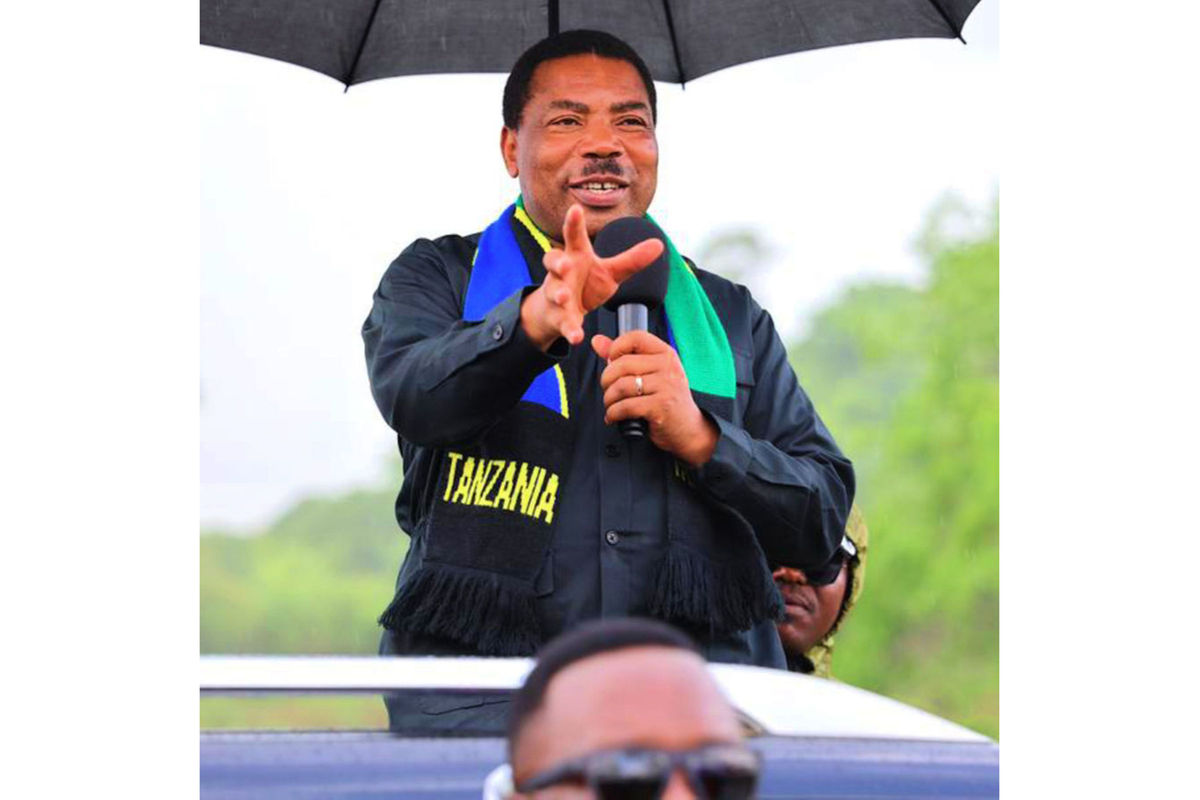
Based on reporting by The Citizen Tanzania, Prime Minister Mwigulu Nchemba said Tanzania plans to extend compulsory education through Form Four and put a secondary school in every village. Speaking in Bahi District on September 5, he said this would require more than 16,000 classrooms, about 8,000 laboratories and additional libraries; he also urged savings from avoidable official travel and meetings to be redirected to schools, desks and other services.
Why This Matters
A school building is not a wellness programme. But it can change the daily shape of a young person’s life: less distance between home and class, more time for sleep, meals, movement and family, and fewer hours spent simply getting to education. That is the human-sized promise inside a very large construction number.
The important word is “operational.” A classroom without teachers, desks, laboratories or maintenance is a room with a fine view and little else. The plan could make continued schooling newly reachable for students in villages, while reducing pressure on overcrowded existing schools. It could also briefly make that pressure worse if compulsory enrolment expands before usable capacity does.
Our outlook (informed speculation): the stated need is large enough that progress is likely to arrive in stages, with planning and early construction preceding broad access gains.
How the effects could spread
Education authorities would need to turn the proposal into funded construction, equipment purchases and school operations. If classrooms, laboratories, libraries and desks arrive together with staffing, village students could have nearer places to continue through Form Four.
That could ease crowding at existing secondary schools over the following months. It could also create demand for builders and education-facility inputs once projects are funded and commissioned. The chain breaks if construction, equipment or staffing lags behind enrolment.
Impact assessment
- Students in villages without nearby secondary schools: Potential winners over 6–12 months, if schools become functioning local options rather than planned sites.
- Students already in crowded or inadequate schools: A mixed outcome. New capacity could relieve pressure, but added compulsory enrolment could deepen it before buildings open.
- Education authorities: Immediately exposed to the hard part: converting a promise into classrooms, laboratories, libraries, desks, teachers and day-to-day operations.
Scenarios
Most likely
If the government turns some identified savings into phased education projects, authorities begin prioritising classrooms and related facilities over the next 6–12 months. Access gains would emerge gradually, because the reported requirement is large. A funding announcement, phased classroom programme or construction start would strengthen this path; no budget or schedule would weaken it.
Upside
If funding, procurement, staffing and equipment advance together, new village schools become usable learning spaces rather than unfinished structures. More students could continue through Form Four while existing inadequate schools face less pressure. Completed, equipped laboratories and classrooms opening alongside expanded enrolment would support this outcome.
Downside
If compulsory education expands faster than construction and operations, existing schools remain crowded and the intended access improvement is delayed. The pinch point would be the practical pieces: teachers, desks, laboratories, libraries and maintenance. Rising enrolment without corresponding openings would point in this direction.
What to watch next
Look for a government budget, timetable or phased construction plan specifying locations and targets. Then watch whether savings from government spending are formally directed to education infrastructure, and whether completed village facilities open with teaching staff, laboratory capacity and libraries ready to use.
Comments
No comments yet.