
What changed
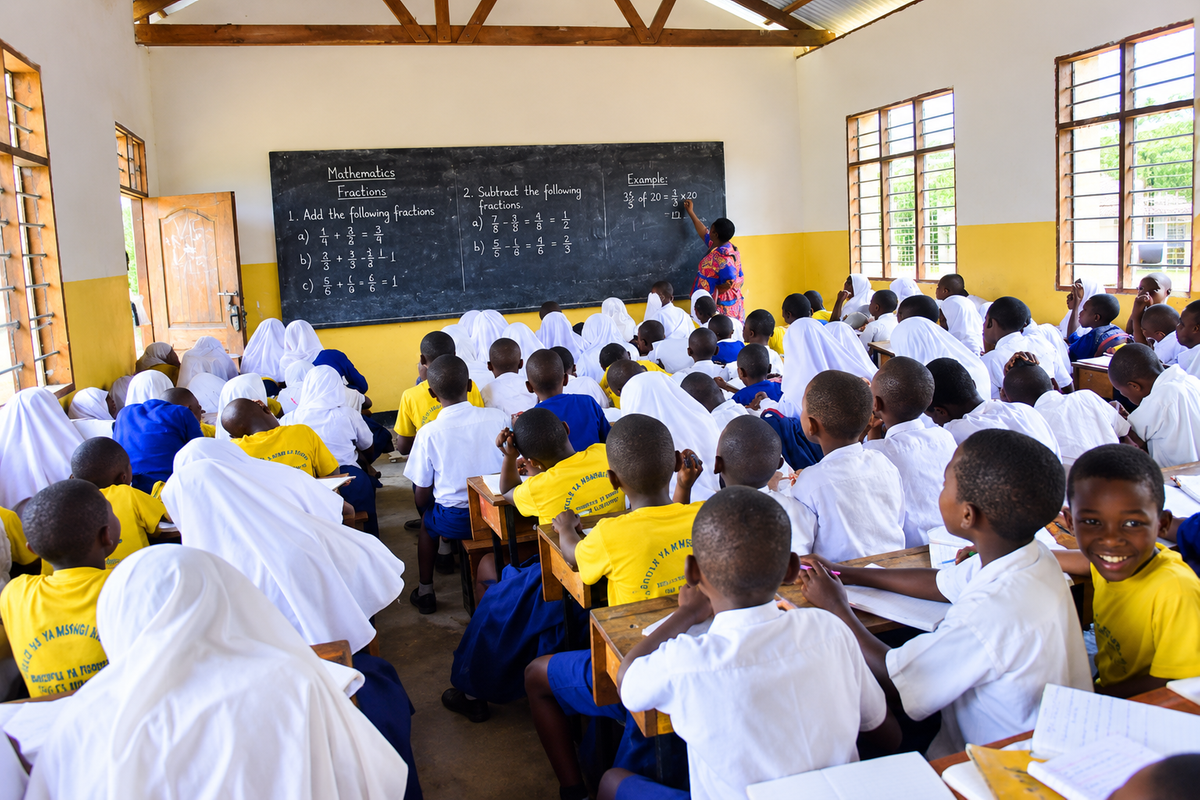
Based on reporting by The Citizen Tanzania, Tanzania expects 3,021,177 pupils to seek Form One places in 2028 after both Standard Six and Standard Seven cohorts complete final assessments in 2027. Prime Minister Mwigulu Nchemba said preparation requires Sh1.77 trillion, including 23,226 classrooms, 46,632 toilets, 9,366 laboratories and 40,192 teachers; the government is also seeking private-sector participation through a PPP framework.
Why This Matters
A school place is not only a desk and a timetable. It is the setting where daily routines form: travel, meals, sleep, movement and stress all get reshaped around a child’s ability to attend consistently. If capacity lags, the practical strain lands first on households already trying to keep ordinary routines steady.
Our outlook (informed speculation): the next two years may turn school infrastructure into a quiet health-and-wellbeing issue as much as an education one. If classrooms, sanitation and staffing arrive on time, more families can plan around a stable transition to secondary school. If they do not, the scramble for places could add pressure to household budgets, time and routines.
How the effects could spread
The combined cohorts create a direct demand shock for secondary schools. If facilities and teacher recruitment keep pace, Form One capacity can expand and absorb more pupils.
That outcome travels beyond school gates. Families could spend less time navigating scarce options and more time maintaining predictable daily schedules. But if construction or recruitment falls behind, constrained admissions could push households toward the limited public or private places available, making the transition more stressful and less predictable.
Impact assessment
Public secondary schools face the immediate operational load: more pupils require rooms, toilets, laboratories and teachers before teaching can happen at useful scale.
Private school developers and operators may gain an opening if workable PPP terms turn demand into viable projects. Teacher candidates could also benefit if recruitment advances toward the stated need for 40,192 teachers.
Families carry the most personal uncertainty. Their access to Form One depends on whether new capacity becomes real, operational and staffed before the 2028 intake.
Scenarios
Most likely: If public planning produces partial progress and draws some private participation, Tanzania adds capacity but remains under heavy implementation pressure through the 2028 intake. Schools and families would increasingly organize around the places that become available, while local authorities focus resources on construction and staffing.
Upside: If funding, construction, staffing and private projects align with the government’s targets, more of the combined cohort can enter Form One with less pressure on access. The longer-term payoff would be usable secondary-school capacity that remains after the transition year.
Downside: If the Sh1.77 trillion preparation need is not matched by timely classrooms, facilities and teachers, competition for Form One places sharpens. Families may have to pursue a narrower set of public or private options, while schools face a larger intake than their operating capacity can comfortably support.
What to watch next
- Completed, operational classrooms, toilets and laboratories before the 2028 intake.
- Recruitment and appointments toward the stated 40,192-teacher need.
- Private projects that add education facilities or operating capacity under the PPP framework.
- Published 2028 Form One admission plans showing how many of the projected 3,021,177 applicants can be accommodated.
Comments
No comments yet.