
What changed
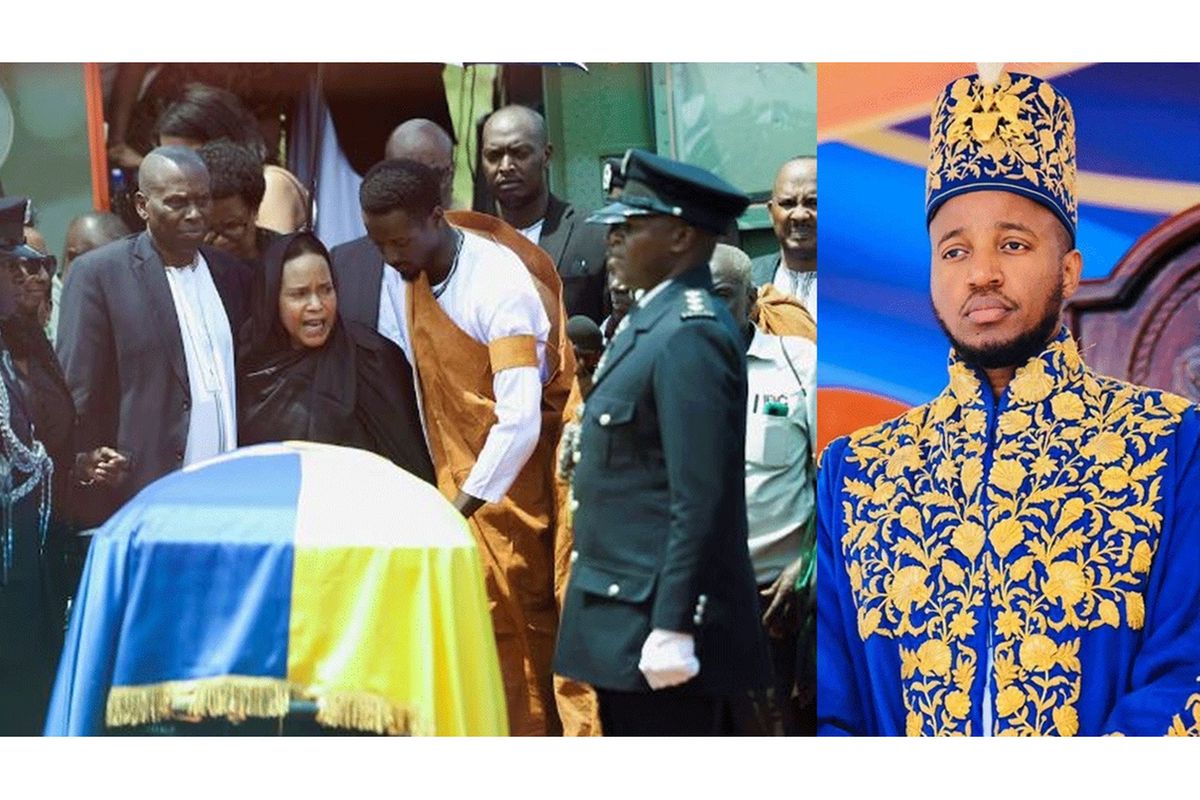
Tooro’s succession committee selected Prince Edward Rukidi Kijanangoma, a news anchor and editor at Uganda’s state broadcaster UBC, to succeed King Oyo Nyimba, who died in the United States on August 27 aged 34 while receiving cancer treatment. The Citizen Tanzania reported that the decision conflicts with an earlier statement that Oyo’s son was the heir.
Princess Ruth Komuntale, Oyo’s only sister, and his mother, Best Kemigisa, rejected Kijanangoma’s selection. Komuntale said Oyo’s will named his son as heir and identified a preferred successor if the son could not assume the throne.
Oyo became king at age three in 1995 and was later recognised by Guinness World Records as the world’s youngest reigning monarch. His burial is being prepared for Saturday at the royal tombs near his palace in Fort Portal.
Why it matters
Uganda is a constitutional republic, but Tooro retains significant cultural and social influence. The dispute therefore concerns who can credibly represent the kingdom’s continuity and speak with authority during and after the burial.
Kijanangoma has the succession committee’s formal backing, while Oyo’s immediate family is challenging that process through the reported will. If both positions remain in place, cultural institutions and community leaders may face pressure to endorse one claim, remain neutral or help negotiate a settlement.
Impact assessment
Kijanangoma’s initial authority is exposed to challenge. If the committee continues backing him while the royal family rejects the choice, his ability to act as an accepted monarch may be constrained until he secures wider recognition.
The succession committee may spend the coming weeks defending its authority or negotiating with Oyo’s family, delaying a broadly accepted transfer. Community and cultural leaders could become more consequential because their endorsements may help determine which claimant is treated as legitimate.
The burial may preserve ceremonial continuity without resolving the succession. If no common position emerges, the kingdom could move from a formal selection to a wider dispute over the authority of the committee, the reported will and the late king’s family.
Scenarios
Most likely
Our outlook (informed speculation): the burial proceeds while Tooro’s royal actors negotiate recognition of Kijanangoma or an alternative succession path. This is most likely if the committee maintains its decision and Oyo’s family continues invoking the reported will. The immediate result would be disputed legitimacy rather than a settled transfer of authority.
This path strengthens if the family keeps publicly challenging Kijanangoma while the committee continues to name him as its choice. It weakens if the family accepts him or a formal decision recognises Oyo’s son or another successor.
Upside
The royal family and succession committee reach an accommodation after the burial. This depends on agreeing how the reported will, the son’s status and the committee’s authority should be reconciled.
If they issue a joint succession statement, Kijanangoma or the reported heir could assume a defined role, allowing Tooro’s cultural institutions to operate around one recognised ceremonial process.
Downside
The rival claims harden into a prolonged succession dispute. This becomes more likely if the committee refuses to revisit its choice and Oyo’s family treats the reported will as binding.
Separate groups could then organise around Kijanangoma and Oyo’s reported heir, forcing cultural and community leaders to take sides and leaving Tooro without a broadly accepted monarch for an extended period.
What to watch next
- Whether the royal family and succession committee issue a joint position before or shortly after Saturday’s burial.
- Whether the committee reaffirms or revises Kijanangoma’s selection.
- Whether a recognised succession authority formally accepts and applies Oyo Nyimba’s reported will.
Comments
No comments yet.