
What changed
A national awareness campaign is urging parents and clinicians to take persistent clusters of childhood symptoms seriously. Its rule of three says to consider referral when a child has three ongoing symptoms, three doctor visits, or three weeks of unexplained symptoms.
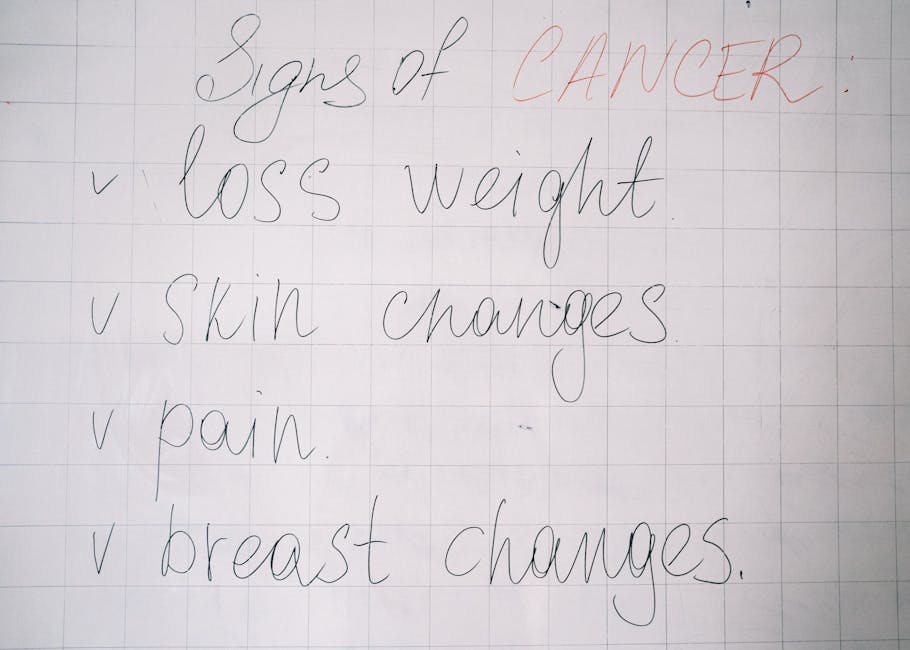
The warning signs include extreme tiredness, looking unusually pale, unexplained bruises, and lumps or bumps that grow or do not go away. About 1,900 children aged 0–14 are diagnosed with cancer in the UK each year.
Why it matters
These symptoms can look ordinary at first. Amelia Carroll, 13, was tired and breathless after mild exercise before bruises made her mother seek further answers. Doctors diagnosed her with acute myeloid leukaemia within 10 days; she is now in remission and back at school.
The practical lesson is not to panic over one symptom. These signs are nonspecific and do not mean a child has cancer. But symptoms that persist, worsen, appear together, or keep returning deserve a conversation with a doctor.
Diagnosis already happens within two weeks for around half of children diagnosed with cancer, while some families face waits of 16 to 25 weeks from the first symptoms. Earlier diagnosis could mean less intensive treatment, according to the paediatric oncology expert quoted in the report. Childhood-cancer survival is now reported at over 80% beyond five to 10 years or more, making timely attention important without turning every bruise or tired spell into an emergency.
Comments
No comments yet.