
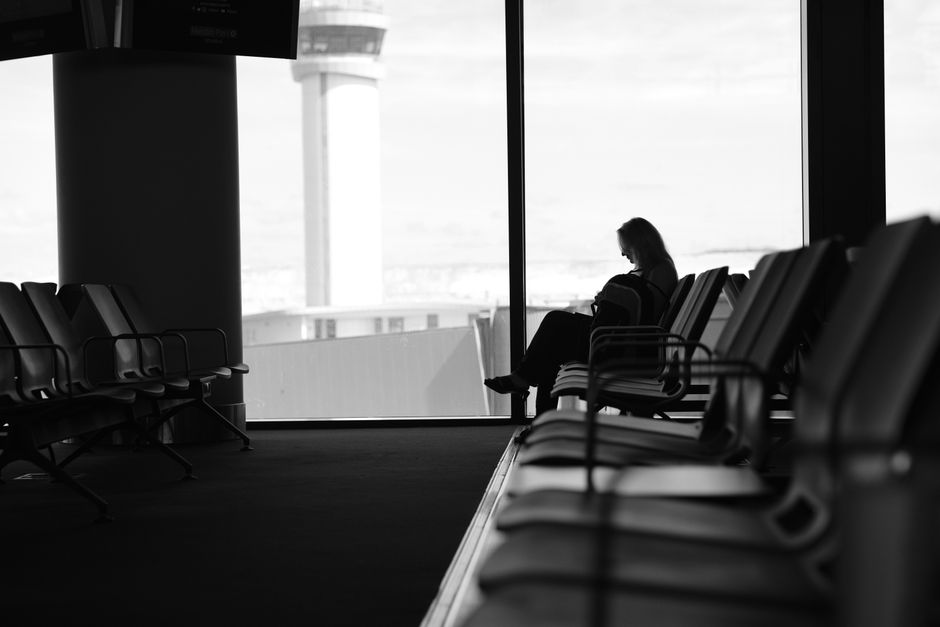
Flying can disrupt drinking habits because airport security, limited bottle access, and an unfamiliar schedule remove the cues that usually prompt you to drink. That disruption may leave you drinking less than usual, but post-flight fatigue, headache, or discomfort can have several causes and should not automatically be labeled dehydration.
At home, drinking often happens almost without thought. You fill a glass after brushing your teeth, keep a bottle beside your keyboard, or drink with lunch at a familiar time. Travel breaks that chain. A bottle may be emptied before security, packed where it is hard to reach, or left unfilled because the gate is already boarding.
The change can look minor: your usual cue disappears, then the drink attached to it disappears too. By the time you notice, several ordinary drinking moments have passed.
Security interrupts an established habit
Airport security creates a clear break in the routine. You may arrive with water, empty the bottle before screening, and plan to refill it afterward. Then the practical details take over: finding the departure board, walking to a distant gate, buying food, checking a passport, or responding to a gate change.
The bottle remains empty because filling it has become a separate task. If a refill station is hard to spot, the queue is long, or the only obvious option is buying a drink, postponing that task becomes easy.
This is a useful example of how habits depend on their surroundings. Carrying a bottle can feel like preparation, but access determines whether it helps. The practical lesson from Stop Carrying Water as a Good Intention applies especially well at an airport: decide where the refill will happen, rather than relying on the bottle to remind you.
A simple cue can close the gap. Refill after security before checking shops or settling at the gate. If airport rules, facilities, or boarding timing make that difficult, buy a drink when practical or ask where water is available.
Access changes once you board
On a normal day, water may be a few steps away. During a flight, it could be in an overhead bag, available only during cabin service, or sold under the airline’s onboard policy. The seat belt sign, a sleeping neighbor, or a tray table covered with food can add small barriers.
Each barrier is manageable. Together, they make drinking less automatic.
Cabin conditions can also make the mouth, nose, or throat feel dry. Those sensations may prompt you to drink, but they do not provide a complete explanation for every symptom during or after a flight. Why Airplane Cabins Feel Dry looks more closely at the environment without turning one sensation into a diagnosis.
Keep water within reach when airline and security rules allow. A bottle in the seat pocket or under-seat bag is easier to use than one in the overhead bin. Take ordinary opportunities to drink, such as with a meal or when cabin service arrives, instead of waiting until thirst feels urgent.
Travel time replaces clock time
Flights rearrange the day. Breakfast may happen before dawn, lunch may become an airport snack, and dinner may arrive according to the departure city, destination, or airline schedule. Time zones can make familiar cues even less reliable.
This matters because drinking is often attached to another event. A glass with breakfast requires breakfast. A refill after a midday walk requires the walk. When meals, movement, work, and sleep shift, the drinking habits linked to them can vanish for the day.
Rather than trying to preserve an exact timetable, attach drinking to travel events that will still happen. Drink after clearing security. Keep water accessible at the gate. Have some with a meal or snack. Refill after landing when facilities are available.
These are prompts, not a rigid quota. Individual fluid needs vary with factors such as body size, activity, environment, food, pregnancy, health conditions, and medications. People who have been told to limit fluids, or who have questions about an appropriate amount, should follow guidance from their doctor.
Make the next drink easier to remember
The most useful adjustment may be surprisingly small. Give the empty-bottle moment a planned ending: empty before security, then refill after security. That turns a vague intention into a specific sequence.
You can also reduce friction before boarding:
- Pack an empty reusable bottle where you can reach it.
- Notice refill points after security instead of waiting until boarding starts.
- Keep water in your under-seat bag when permitted.
- Pair drinking with events such as a meal, cabin service, or arrival.
After the flight, return to your familiar routine without trying to diagnose every tired or uncomfortable feeling yourself. Travel can affect sleep, meal timing, movement, stress, and comfort at the same time. Persistent, severe, or concerning symptoms deserve medical advice.
For the next trip, choose one cue before leaving home. “After security, I refill my bottle” is specific enough to survive a changed gate, a delayed meal, and a day that no longer runs by its usual clock.
This is general wellness information, not medical advice. Talk to your doctor about personal hydration needs, symptoms, health conditions, or fluid restrictions.
Comments
No comments yet.