
What changed
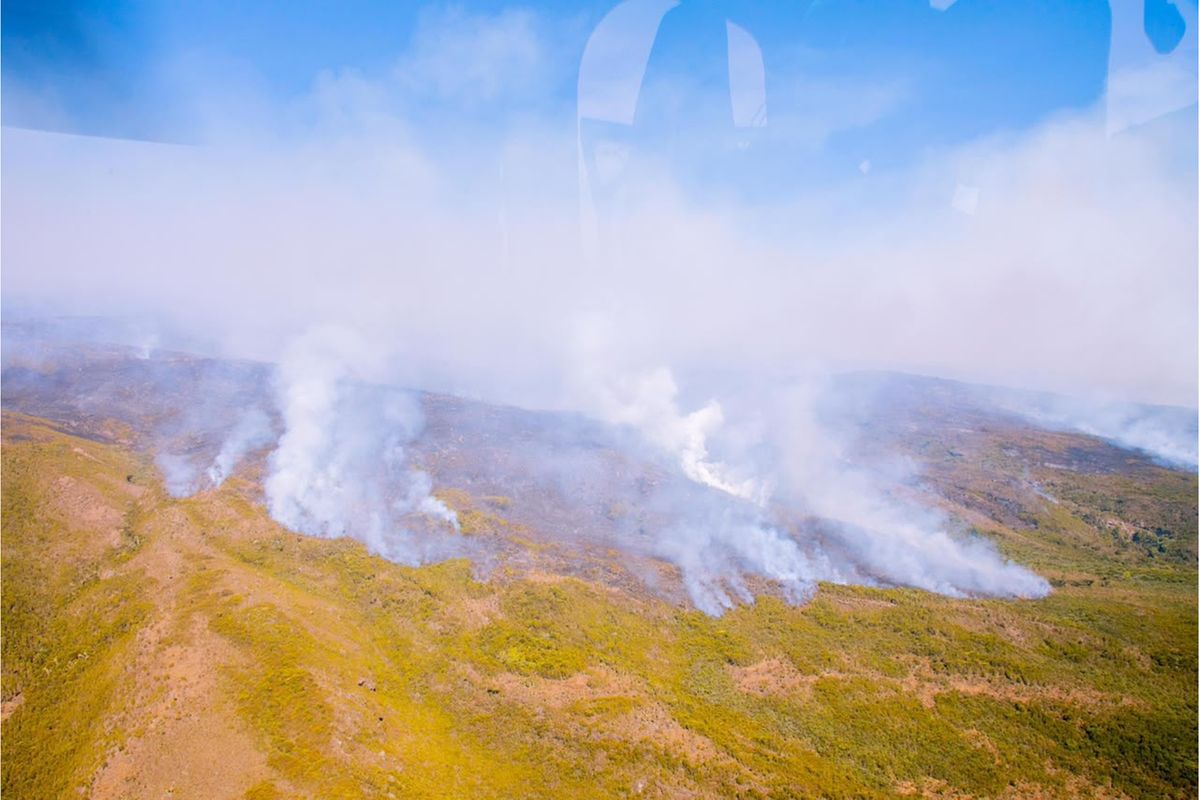
Based on The Citizen Tanzania’s reporting, a fire that began around 3:30pm on September 3 near Kikerelwa, on Kilimanjaro National Park’s boundary with Rombo District, was more than 90% contained by September 5. Natural Resources and Tourism Minister Dr Ashatu Kijaji said Tanapa, TFS, the Fire and Rescue Force, tourism companies and neighbouring residents were involved, with helicopters supporting crews at high elevations; no casualties were reported and tourism was continuing normally.
The remaining work is stubborn: active flames and burning tree stumps in valleys. Dr Kijaji said authorities aimed for up to 99% containment by the end of September 5, while the government has begun procurement for a dedicated Tanapa helicopter.
Why This Matters
A mountain trip is not just a booking. It is guides, routes, local work and the chance to spend time moving through a place that is still safe to enter. For now, the report says that chain remains intact. But “more than 90% contained” is a strong position, not the finish line.
Our outlook (informed speculation): if crews extinguish the remaining hot spots quickly, visitors and guides may see little practical disruption, while Tanapa’s planned helicopter purchase could shift future dry-season response toward earlier detection. If valley stumps reignite or fire spreads again, access decisions could change quickly, with effects reaching businesses and communities tied to mountain tourism.
The last time this happened
The Guardian reported a Kilimanjaro fire in October 2020 that involved firefighters and local participants in the same protected, high-altitude environment. That blaze was in the Whona area, not Kikerelwa, and the current response includes helicopter support plus more than 90% containment by day three; equivalent aerial-response evidence is not available for 2020.
The earlier fire reportedly raged for a week across 95 square kilometres. That is the useful warning: speed matters on a dry mountain where wind and terrain can turn a remaining fire front into a much larger operational problem.
How the effects could spread
If containment holds and access stays open, tourism companies and guides can continue scheduled trips. That supports nearby tourism-linked services as well, from the people participating in the response to those whose work depends on visitors continuing to arrive.
The chain can break if hot spots spread, winds shift unfavourably, or a later damage assessment prompts route restrictions. The key practical question is no longer whether tourism is operating today, but whether full extinguishment lets it keep operating without interruption.
Impact assessment
Tourism companies and guides have near-term continuity, but their operations remain exposed until the fire is fully out and any access decisions are settled.
Tanapa faces the longer task: extinguish the fire, assess its cause and damage, then translate this incident into stronger dry-season capacity. A dedicated helicopter could improve early detection and aerial response if procurement progresses.
Neighbouring communities have a mixed outcome. Their role in firefighting shows how closely local safety and livelihoods are tied to containment, while continued tourism preserves activity that renewed spread or restrictions could interrupt.
Scenarios
Most likely: If current containment holds, crews extinguish the remaining flames and valley stumps within days, then authorities move to cause-and-damage assessment while tourism continues. This is the baseline because the fire was already reported more than 90% contained and changing winds were helping. Full extinguishment, continued departures and the start of an assessment would strengthen it; new fire fronts or restrictions would overturn it.
Upside: When helicopter support, ground crews and favourable winds prevent the remaining areas from spreading, containment reaches the minister’s 99% target and then full control without major access disruption. Guides, operators and nearby tourism-linked businesses could maintain dry-season activity, while Tanapa gains a sharper case for permanent aerial capacity. Confirmation of 99% containment, then full extinguishment without new affected areas, would support this path.
Downside: If dry vegetation, wind changes or burning stumps overcome the current containment line, authorities may need to redirect more conservation and emergency resources and limit access in affected areas. That would interrupt guiding and nearby tourism-linked work. The 2020 fire shows the potential scale of prolonged spread, though different location and response conditions mean it does not dictate this outcome. New burning areas, added deployments or route changes would point this way.
What to watch next
- Tanapa or the ministry confirming that active flames and valley hot spots are 100% extinguished.
- The ministry beginning its post-fire assessment of the cause and environmental damage.
- Tanapa announcing whether routes and tourism activity remain open or change.
- Progress from helicopter procurement to an acquired or operational Tanapa aircraft.
Comments
No comments yet.