
What changed
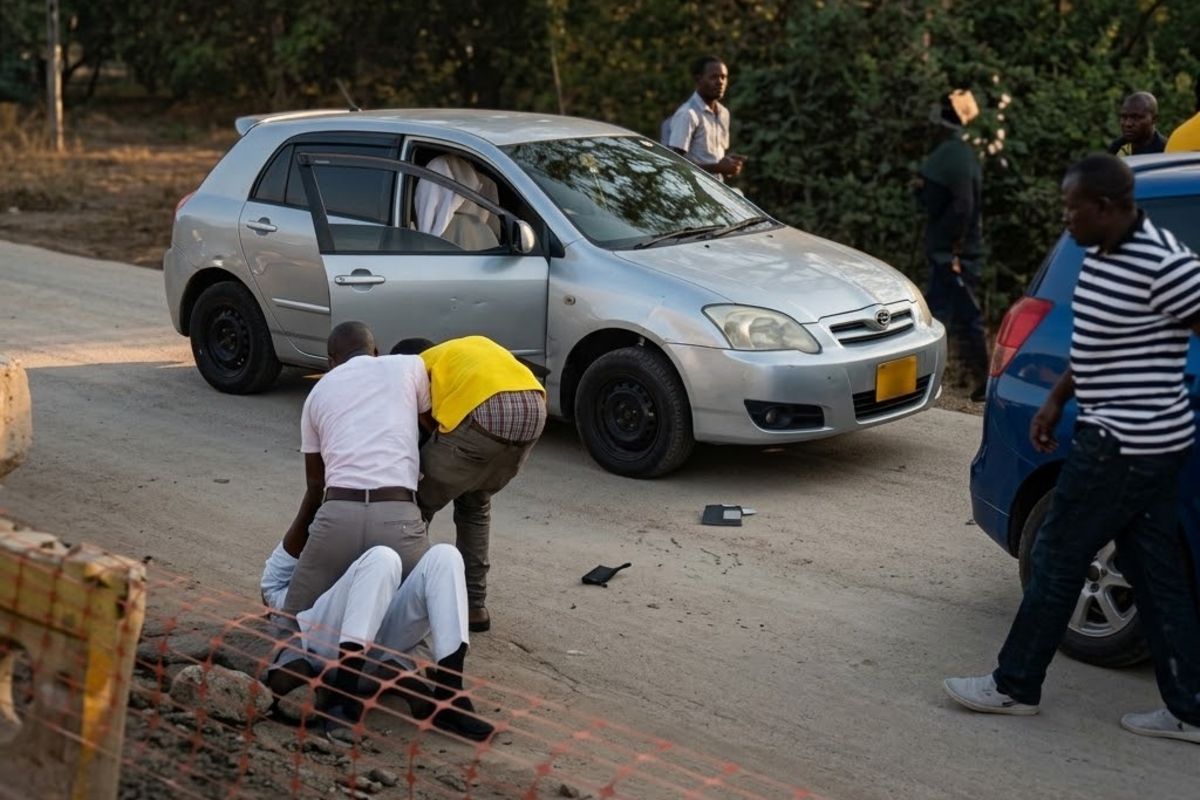
Based on The Citizen Tanzania’s reporting, the Tanzania Human Rights Defenders Coalition has asked police to disclose the whereabouts, health condition and treatment location of Dr Conrad Agonza, a Mloganzila Hospital doctor, after a September 8 incident on Bagamoyo Road in Dar es Salaam involving a traffic officer. THRDC says Agonza’s family has received conflicting information and could not see him at police stations; police and family accounts include an allegation that he assaulted the officer.
Why This Matters
This is not a question of whether police may investigate an alleged assault. THRDC itself says they may. It is a question of whether someone can be investigated without their family being left in the dark about where they are, whether they are safe, and how to reach them.
For anyone who sees healthcare as something built on trust, the immediate point is painfully concrete: a doctor can go from treating people to needing family contact and legal support in a matter of hours. When authorities give timely, verifiable information, families can act. When they do not, uncertainty becomes its own kind of harm.
Our outlook (informed speculation): a documented account of Agonza’s location and condition could allow family contact or legal access while any allegation proceeds through formal channels. If police make that information available, the case could set a practical expectation that custody and medical-status questions receive a clear answer quickly.
The historical parallel
In Kenya in 2016, lawyer Willie Kimani, his client Josephat Mwenda and driver Joseph Muiruri went missing after a police-related court matter; witnesses said Kimani and Mwenda had been seen in a police-station cell.
The shared structure is the urgent need for reliable information about location, safety and access to family or counsel. The difference is enormous: the Kenyan case involved three people who were later killed, while the current report concerns one doctor and establishes neither disappearance nor abuse. In 2022, three police officers and a police informer were found guilty of murder. The lesson is straightforward: prompt, documented custody information is a safeguard worth demanding before uncertainty hardens into something worse.
Impact assessment
A prompt police response could restore Agonza’s family’s ability to confirm his safety and arrange support immediately. It would also give police a clearer path to investigate the reported allegation while showing that legal rights and basic communication are not optional extras.
Over the coming weeks, rights-monitoring organisations will have a concrete test: whether location, condition and access are communicated consistently. If the response becomes a repeatable practice, other families facing disputed custody information could gain a stronger expectation of timely answers.
Scenarios
Most likely: If police provide a verifiable location and condition in the coming days, Agonza’s family or legal representatives could gain contact while any allegation moves through formal procedures. This is the likeliest path because THRDC’s request accepts lawful arrest and asks for specific, practical safeguards.
Upside: When authorities provide consistent information and permit appropriate family or legal access, this case could become a practical reference point for handling custody-health questions. That could make documented communication more routine in comparable cases over the following months.
Downside: If uncertainty persists, Agonza’s family may remain unable to arrange timely contact or legal support, while pressure on police and rights monitors grows. Unless a clear custody, treatment or legal-status account emerges, the alleged assault matter may also become harder to regard as transparently handled.
What to watch next
- Whether police provide a location and health-condition account that Agonza’s family, legal representatives, hospital or THRDC can corroborate.
- Whether his family or lawyer is permitted communication or access consistent with law and medical advice.
- Whether police state a defined legal step on the alleged assault: arrest, charge, release or another formal status.
Comments
No comments yet.