
What changed
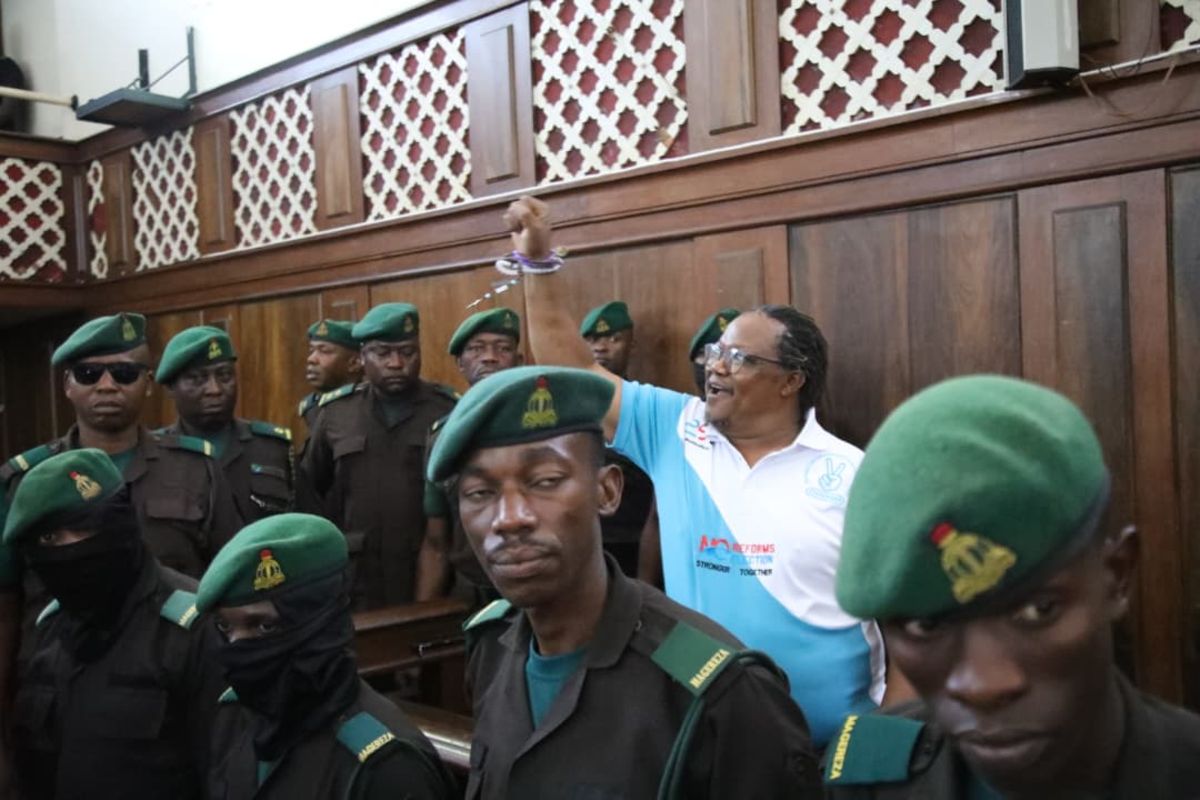
Based on reporting by The Citizen Tanzania, prosecutors completed their cross-examination of Brenda Rupia on September 9, 2026, the fourth defence witness in Tundu Lissu’s treason trial at the High Court Dar es Salaam Sub-Registry. Rupia, Chadema’s director of communications and publicity, was questioned about her qualifications and communications duties; Lissu twice objected, including to the prosecutor’s volume and use of the term “fraudster.”
Lissu faces a charge under section 39(2)(d) of the Penal Code 2023 Revision over words allegedly spoken and published online on April 3, 2025. The defence-stage case is before judges Dunstan Ndunguru, James Karayemaha and Ferdinand Kiwonde.
Why This Matters
This is a reminder that a court case can turn on the unglamorous plumbing of public communication: who speaks, who calls journalists, who has firsthand knowledge, and whether their account holds together under pressure. Rupia’s description of Chadema’s messaging operation is now part of the record, not just party practice.
The courtroom clash is less important than what follows it. The judges will have to weigh her evidence against the prosecution’s challenge to her role and credibility. The report does not say how they ruled on Lissu’s objections.
Our outlook (informed speculation): the defence is likely to keep building its account through further witnesses, while both sides treat Rupia’s testimony as a piece of a larger argument about how Chadema communicated publicly.
Impact assessment
For Rupia, the immediate effect is mixed. Her evidence has been tested, and the clarity of her explanation about party communications may affect how much weight the panel gives it.
For Lissu, the objections put the conduct of this exchange into the trial record while he remains responsible for presenting the defence case. If later witnesses face similarly detailed questioning, the defence may need to make their roles and basis of knowledge especially clear.
For Chadema’s communications staff, the trial has drawn attention to the chain between party officials, journalists and the public. That could make future testimony about party messaging more consequential, because the structure itself has become part of the dispute.
Scenarios
Most likely
If the court continues the defence stage without a ruling that materially limits Rupia’s evidence, further witnesses will testify in the coming weeks and later arguments will weigh her account alongside the prosecution’s cross-examination. This is the likeliest path because the report places the case at the defence stage and identifies Rupia only as the fourth witness. A new defence witness, continued hearings, or later submissions citing her evidence would support it.
Upside
If Rupia’s account of her responsibilities remains consistent and is reinforced by later testimony, the defence may use it to strengthen its explanation of how Chadema communicated with media and the public. That depends on the panel admitting and considering the testimony without a material adverse finding. Consistent later evidence and defence submissions relying on her account would strengthen this path.
Downside
If prosecutors establish material gaps between Rupia’s title, qualifications and claimed duties, the panel could give her account less weight, narrowing the defence’s ability to use Chadema’s communications structure as supporting context. This depends on the judges treating any inconsistencies as relevant to reliability. Specific challenges pursued in submissions, or a shift away from her evidence by the defence, would point in that direction.
What to watch next
- Whether the High Court schedules another defence hearing and calls a further witness.
- Whether the three-judge panel issues a ruling or record on Lissu’s objections during Rupia’s cross-examination.
- Whether either side later relies on Rupia’s account of Chadema’s communications duties in submissions.
Comments
No comments yet.